 Pacific Law
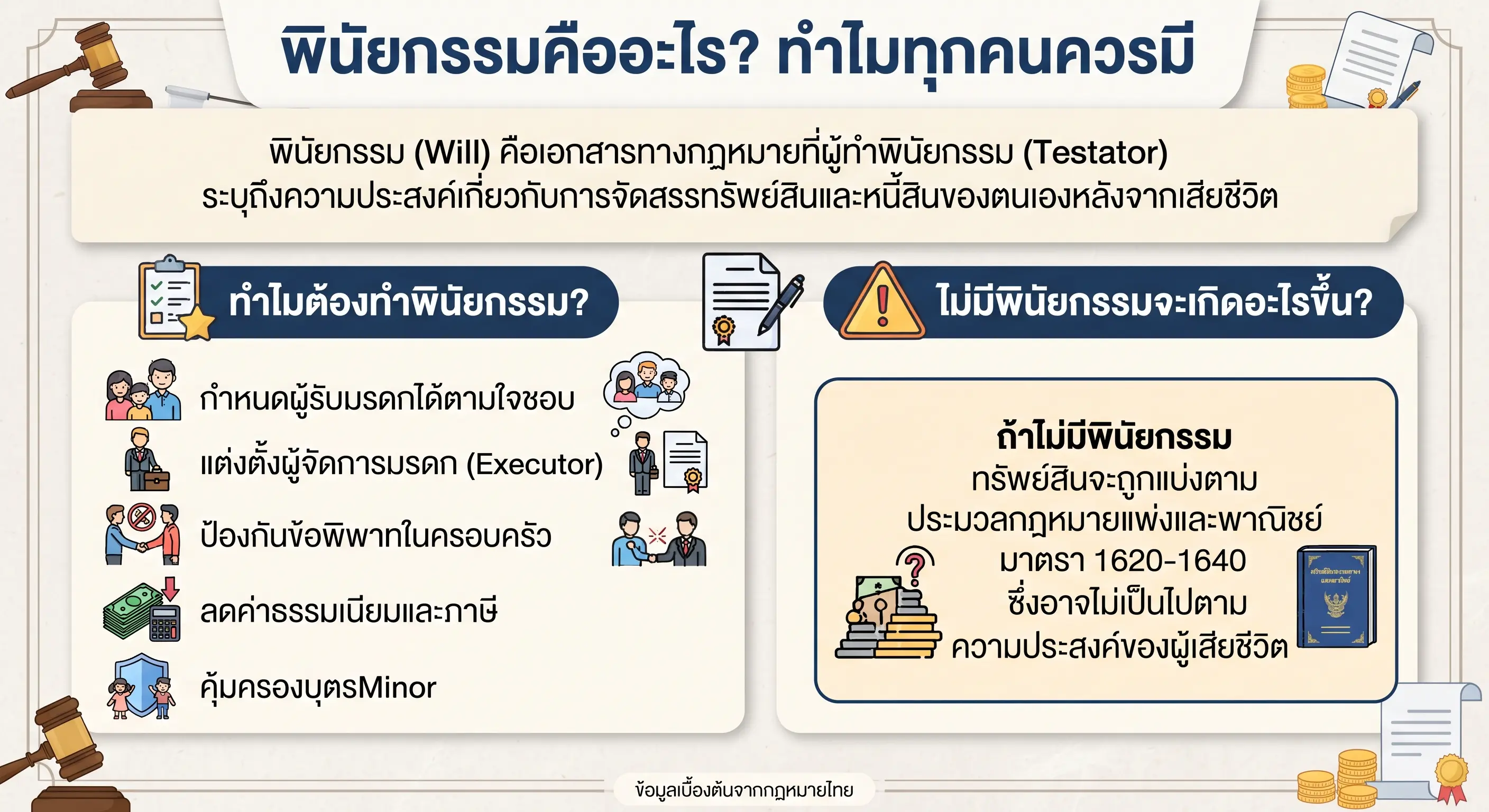
What Is a Last Will?
A last will is a legal document that states how your assets should be distributed after your death. In Thailand, a last will gives you full control over who inherits your property, money, and personal belongings. Without a will, Thai law decides for you — and the results may not match your wishes.
Why You Need a Last Will in Thailand
Having a last will in Thailand is essential for several reasons:
- Protect your family — A will ensures your spouse, children, or chosen beneficiaries receive what you intend.
- Avoid legal disputes — A clear will reduces the chance of family conflicts over inheritance.
- Speed up probate — Courts process estates with a will much faster than those without one.
- Appoint an executor — You choose someone you trust to manage your estate.
- Protect foreign assets — If you own property or bank accounts, a will simplifies transfer.
Who Should Make a Last Will in Thailand?
Every adult living in Thailand — Thai nationals and foreigners alike — should consider making a last will. This is especially important if you:
- Own real estate, a condo, or land in Thailand
- Have a Thai spouse or children
- Hold bank accounts or investments in Thai institutions
- Run a business in Thailand
- Want to donate to a charity or organization
What Happens Without a Last Will?
When someone dies without a will in Thailand, the estate is distributed according to the Thai Civil and Commercial Code. The law follows a strict order of legal heirs. Your wishes are not considered. This often leads to delays, legal fees, and outcomes that do not reflect what you wanted.
Key Elements of a Valid Last Will in Thailand
Thai law recognizes several forms of wills. The most common are:
- Written will (Holographic) — Handwritten and signed by the testator.
- Witnessed will — Signed in the presence of at least two witnesses.
- Notarial will — Prepared and certified by a notary public or lawyer.
Each type has specific requirements. A will lawyer in Thailand can help you choose the right format and ensure it is legally valid.
Common Mistakes to Avoid
Many wills are invalidated because of simple errors:
- Unsigned or undated documents
- Missing witnesses
- Ambiguous language about beneficiaries
- Failing to update the will after major life changes
Start Your Estate Planning Today
A last will is the foundation of good estate planning in Thailand. It protects your loved ones, saves time and money, and ensures your wishes are honored. Whether you are a Thai citizen or a foreigner living in Thailand, consulting a will lawyer is the best step you can take for your family's future.